In this article
First, the terms: aluminium compounds are what make an antiperspirant work — they temporarily block sweat ducts. A deodorant without aluminium does not stop sweat; it manages odour with antibacterial and odour-absorbing ingredients. This guide is for people who accept that trade (many actively prefer it) and want the odour half done well. It covers three established brands, the baking-soda sensitivity issue that catches many switchers, and a realistic first-month timeline.
The aluminium debate, briefly and fairly
Aluminium in antiperspirants has been the subject of long-running public concern about breast cancer and Alzheimer's disease. Regulatory and cancer-body reviews to date have not established those links from antiperspirant use — we say that plainly, because this site reports evidence rather than amplifying it. People still choose aluminium-free deodorant for legitimate reasons: a preference to let sweating happen naturally, underarm irritation from antiperspirant formulas, fabric staining, or simple minimalism. What matters is choosing with correct expectations — which is what the rest of this guide is for. (For the flagged-ingredient framing, aluminium compounds appear on our guide list with the debate noted.)
How aluminium-free deodorants control odour
Sweat itself is nearly odourless; underarm bacteria metabolise it into odour. Aluminium-free formulas attack that chain with: odour neutralisers such as zinc ricinoleate and magnesium hydroxide; absorbers such as arrowroot and tapioca starch; antibacterial botanicals and acids; and very commonly baking soda (sodium bicarbonate), which raises underarm pH so odour bacteria struggle. Baking soda is effective — and it is also the category's main irritant, because skin's natural pH is mildly acidic. If a natural deodorant gives you a rash, baking soda at high concentration is the usual suspect; low-baking-soda and magnesium-based formulas exist precisely for that reaction (our source lists flag both patterns).
The picks
Native Deodorant — the mainstream gateway (US/international)
Native is the aluminium-free deodorant most switchers meet first: supermarket-available, built on coconut oil and shea butter with baking soda and probiotic ingredients, in a wide scent range plus an unscented version. It suits normal (non-sensitive) underarms and people who want the switch to feel like a normal product purchase. Sensitive users should start with Native's sensitive line, which drops the baking soda.
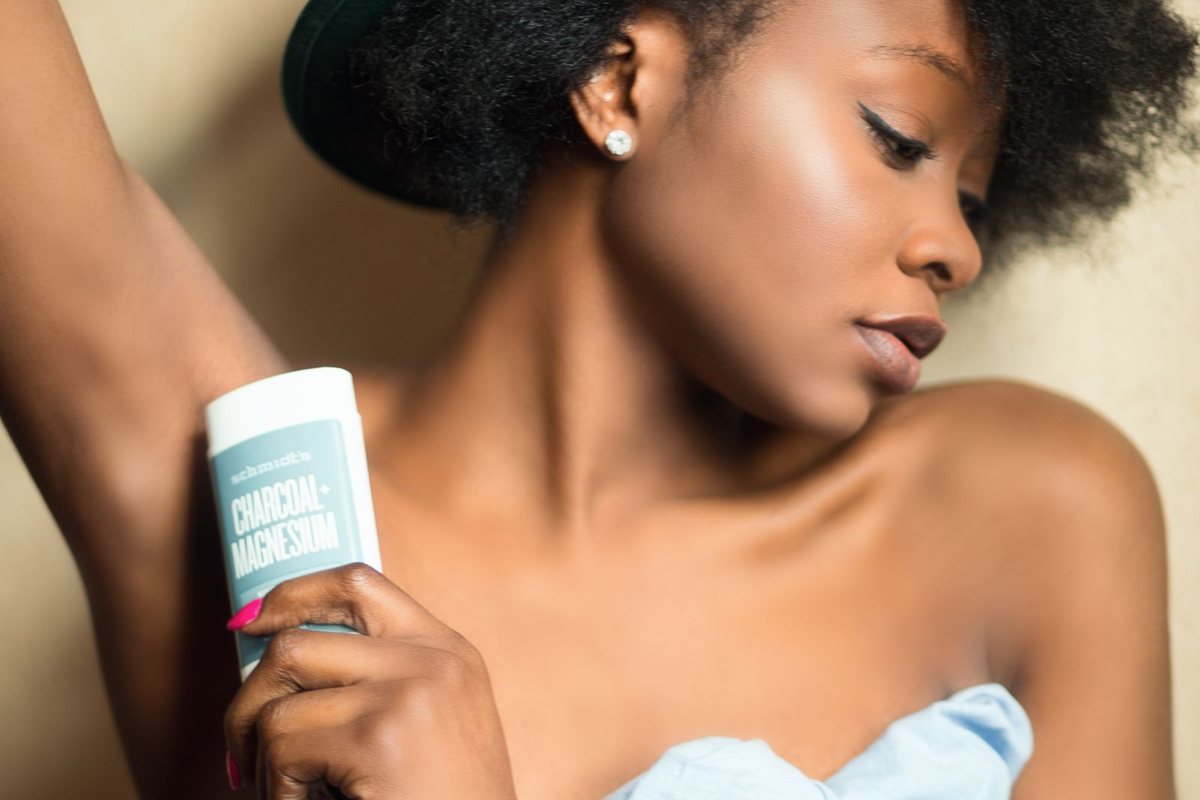
Schmidt's Natural Deodorant — the strong-odour-control option
Schmidt's built its reputation on odour control that survives long days, using baking soda and arrowroot in its classic jars and sticks. It is the pick for people whose first natural deodorant "didn't work" — with the mirror-image caveat that its classic formula is also the one sensitive users most often react to. Schmidt's also sells a dedicated sensitive-skin range based on magnesium.
Weleda deodorant sprays — the baking-soda-free route
Weleda's spray deodorants (Citrus is the classic) take a different mechanism: alcohol and essential oils for antibacterial action, no baking soda, no antiperspirant salts. They suit users who reacted to soda-based sticks and prefer a spray ritual. The trade-offs are real — alcohol can sting freshly shaved skin, and odour control is lighter than the sticks above — but for the baking-soda-sensitive, this is the established alternative.
The first month, honestly
Expect an adjustment of roughly two to four weeks in which you may feel you sweat and smell more — the popular "detox" framing is marketing, but the transition is real: your underarm microbiome and your habits both change when the sweat-blocking stops. Practical mitigations: apply to clean, fully dry skin; reapply at midday during the first fortnight without embarrassment; wash with a gentle antibacterial wash in the shower; and exfoliate the underarm weekly to clear product build-up. If odour is still unacceptable at a month, the formula is wrong for your chemistry — switch mechanism (soda → magnesium → spray), not just scent.
Pitfalls: the three failed switches we hear about most
The post-shave application. Any deodorant — natural formulas with baking soda or alcohol sprays especially — applied to freshly shaved or waxed skin is a rash appointment. Wait until the next morning; if mornings are shaving time, apply deodorant the night before a shave day instead. The double-load. Frustrated switchers often apply twice as much product, which cakes, stains fabric and irritates without adding protection; two to three swipes is the tested amount for the sticks in this guide, and reapplication beats overload. The wrong laundry. Odour that survives the shower is usually living in shirt fabric, not on skin — synthetic sportswear is notorious for it. A sport-specific laundry wash for the affected garments has "fixed" many a deodorant that was never broken. Work through these three before concluding that aluminium-free does not work for your body.
Frequently asked questions
Is aluminium in antiperspirant dangerous?
Major regulatory and cancer reviews have not established links between antiperspirant use and breast cancer or Alzheimer's at real-world exposures. Choosing aluminium-free is a preference many people hold for other reasons — this guide supports the choice without overstating the science.
Why did my natural deodorant give me a rash?
Most often baking soda: its alkalinity disrupts the skin's acid mantle, especially in the occluded underarm fold, and especially after shaving. Switch to a sensitive (magnesium-based) or spray formula and let the rash settle before judging the category.
Will I sweat more without antiperspirant?
You will sweat the amount your body intends — antiperspirant was suppressing it. Most people adapt within a few weeks; absorbent ingredients in good formulas keep the feeling manageable even though the moisture itself is normal physiology.
What is the 'detox period'?
A marketing phrase for the real two-to-four-week adjustment as underarm bacteria re-balance after antiperspirant use ends. There is no toxin purge involved — just microbiology and habit — but the temporary extra odour is genuine.
Can I use aluminium-free deodorant for sport?
Yes, with reapplication expectations: odour control holds up better than wetness control, which these products do not attempt. Many athletes use antiperspirant for events and aluminium-free daily — the categories are tools, not teams.
Do aluminium-free deodorants stain clothes?
They can — the culprits are usually the oils and waxes in the base reacting with sweat and wash water, showing as stiff, dark patches rather than the yellow marks associated with antiperspirant-plus-sweat. Applying less, letting it absorb before dressing, and pre-treating affected shirts resolves most cases.
Checked against EWG Skin Deep cosmetics database, Cancer Research UK, EU Scientific Committee on Consumer Safety (SCCS), US FDA sources · Last updated 2026-10-22 · How we assess ingredients
Sources (5)
- EWG Skin Deep cosmetics database
- Cancer Research UK — Do cosmetics cause cancer? (antiperspirants and deodorants)
- EU Scientific Committee on Consumer Safety (SCCS) — Opinion on the safety of aluminium in cosmetic products
- US FDA — Cosmetics guide (ingredient regulation and labelling)
- Full Fact — There's no evidence antiperspirants and deodorants cause breast cancer or Alzheimer's